

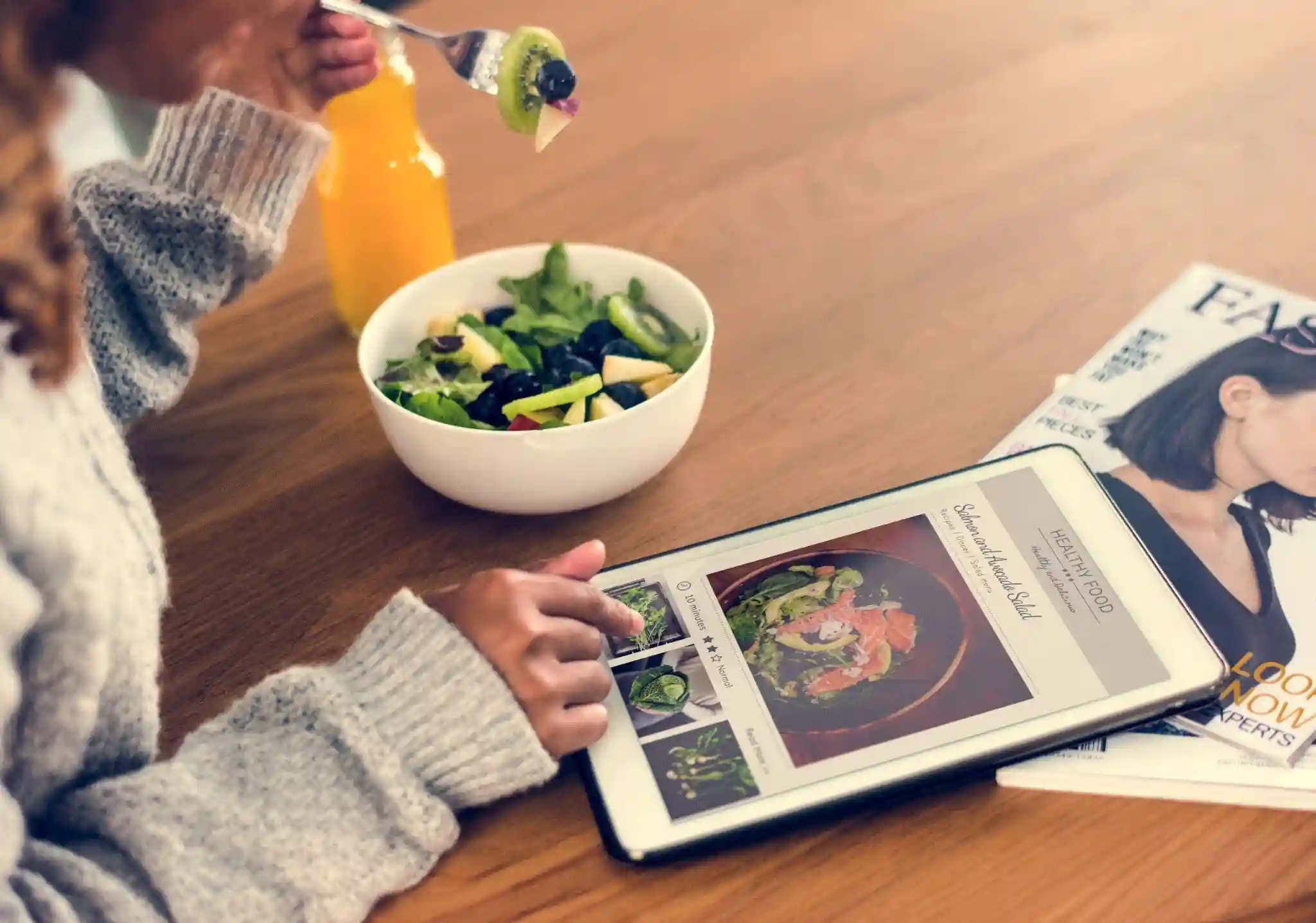
The concept of a modern lifestyle is not fixed. It is fluid, constantly evolving with technology, culture, and human expectations. What people consider normal today would have seemed unusual just a decade ago. From the way we communicate to how we work, eat, relax, and think, every aspect of daily life has been reshaped by modern influences. A modern lifestyle reflects this transformation, blending convenience, speed, and personal choice into everyday routines.
At its core, a modern lifestyle is defined by adaptation. It is about responding to a fast-paced world where information moves quickly and opportunities shift constantly. This dynamic environment influences habits in subtle yet powerful ways, shaping how individuals structure their days and make decisions.
Defining Modern Lifestyle in Today’s Context
A modern lifestyle goes beyond material comfort or technological access. It represents a mindset that values efficiency, flexibility, and self-expression. People today are more aware of their choices and more willing to redefine traditional norms.
A Shift From Routine to Flexibility
Traditional lifestyles often followed fixed routines and societal expectations. In contrast, modern living emphasizes flexibility. Work schedules, social interactions, and personal goals are no longer confined to rigid structures.
The Role of Individual Choice
Modern lifestyles are deeply influenced by personal preferences. Individuals have more freedom to design their routines based on what suits them best, whether it is remote work, digital learning, or personalized wellness practices.
Technology as the Driving Force
Technology is one of the most significant factors shaping the modern lifestyle. It has transformed how people interact with the world and manage their daily activities.
Digital Connectivity and Instant Access
Smartphones, social media, and online platforms have made communication and information instantly accessible. This constant connectivity influences how people spend their time and prioritize tasks.
Automation and Convenience
Technology has simplified many aspects of life, from online shopping to digital payments. This convenience allows people to focus on other areas, but it also changes how they approach daily responsibilities.
Changing Work Patterns and Daily Structure
Work has undergone a major transformation in the modern era. The traditional office environment is no longer the only model.
Rise of Remote and Flexible Work
Remote work has become a defining feature of modern lifestyles. It allows individuals to balance professional and personal responsibilities more effectively.
Blurring Boundaries Between Work and Life
While flexibility offers freedom, it also creates challenges. The line between work and personal life can become blurred, affecting how people manage their time and energy.
Influence of Modern Lifestyle on Health and Well-Being
Modern lifestyles have a direct impact on physical and mental health. The fast pace and constant connectivity can both support and challenge well-being.
Awareness of Mental Health
There is a growing focus on mental health in modern society. People are more open to discussing stress, anxiety, and emotional well-being, leading to healthier habits.
Balancing Activity and Rest
Modern living encourages productivity, but it also highlights the importance of rest and self-care. Finding this balance is essential for maintaining overall health.
Social Interactions in a Digital World
The way people connect with others has changed significantly. Social interactions are no longer limited to physical spaces.
Virtual Connections and Relationships
Online platforms allow people to maintain relationships across distances. This expands social networks but can also reduce face-to-face interactions.
Redefining Community
Communities are now formed around shared interests rather than just physical proximity. This shift creates new opportunities for connection and collaboration.
Consumer Behavior and Lifestyle Choices
Modern lifestyles influence how people make purchasing decisions and interact with products and services.
Preference for Convenience and Speed
Consumers value efficiency and quick solutions. This preference shapes industries, encouraging businesses to adapt to changing expectations.
Focus on Experience Over Possession
There is a growing trend toward valuing experiences rather than material goods. Travel, learning, and personal growth have become priorities for many individuals.
The Role of Sustainability in Modern Living
Sustainability has become an important aspect of the modern lifestyle. People are increasingly aware of their impact on the environment.
Conscious Decision-Making
Modern consumers are more likely to consider environmental and ethical factors when making choices. This awareness influences daily habits and long-term behaviors.
Integrating Sustainable Practices
Simple actions such as reducing waste, conserving energy, and choosing eco-friendly products are becoming part of everyday routines.
Cultural Influence and Global Connectivity
Modern lifestyles are shaped by global influences. Cultural exchange is more accessible than ever before.
Exposure to Diverse Perspectives
Access to global content allows individuals to explore different cultures and ideas. This broadens understanding and influences personal choices.
Blending Traditions With Modernity
People often combine traditional values with modern practices, creating unique lifestyles that reflect both heritage and innovation.
Emotional Impact of Modern Lifestyle
While modern living offers many advantages, it also brings emotional challenges. The constant flow of information and expectations can be overwhelming.
Managing Stress in a Fast-Paced World
The pressure to stay productive and connected can lead to stress. Developing coping strategies is essential for maintaining balance.
Seeking Meaning and Fulfillment
Modern individuals often seek deeper meaning in their lives. This search influences habits, priorities, and long-term goals.
Expert Insight: Navigating Modern Lifestyle Effectively
Experts suggest that the key to thriving in a modern lifestyle is intentional living. Rather than reacting to external pressures, individuals should make conscious choices that align with their values.
Setting boundaries is another important strategy. Limiting screen time, creating structured routines, and prioritizing personal well-being can help maintain balance.
Experts also emphasize the importance of adaptability. The modern world is constantly changing, and those who can adjust their habits and mindset are more likely to succeed and feel fulfilled.
Common Misconceptions About Modern Lifestyle
One common misconception is that a modern lifestyle is inherently better than traditional ways of living. In reality, it comes with both benefits and challenges.
Another misconception is that modern living is only about technology. While technology plays a major role, it is just one aspect of a broader shift in values, behaviors, and expectations.
The Future of Daily Habits in a Modern World
As technology and society continue to evolve, modern lifestyles will keep changing. Emerging trends such as artificial intelligence, remote collaboration, and sustainable living will further influence daily habits.
These changes will create new opportunities and challenges, requiring individuals to remain flexible and open to learning..
FAQs
What is meant by a modern lifestyle?
A modern lifestyle refers to the way people live in today’s world, influenced by technology, flexibility, and changing social values. It emphasizes convenience, adaptability, and personal choice.
How does modern lifestyle affect daily habits?
It shapes routines by introducing digital tools, flexible work patterns, and new social behaviors. These changes influence how people manage time, interact, and make decisions.
Is modern lifestyle good or bad for health?
It can be both. While it offers convenience and awareness, it can also lead to stress and imbalance. Maintaining healthy habits and setting boundaries is essential for well-being.