

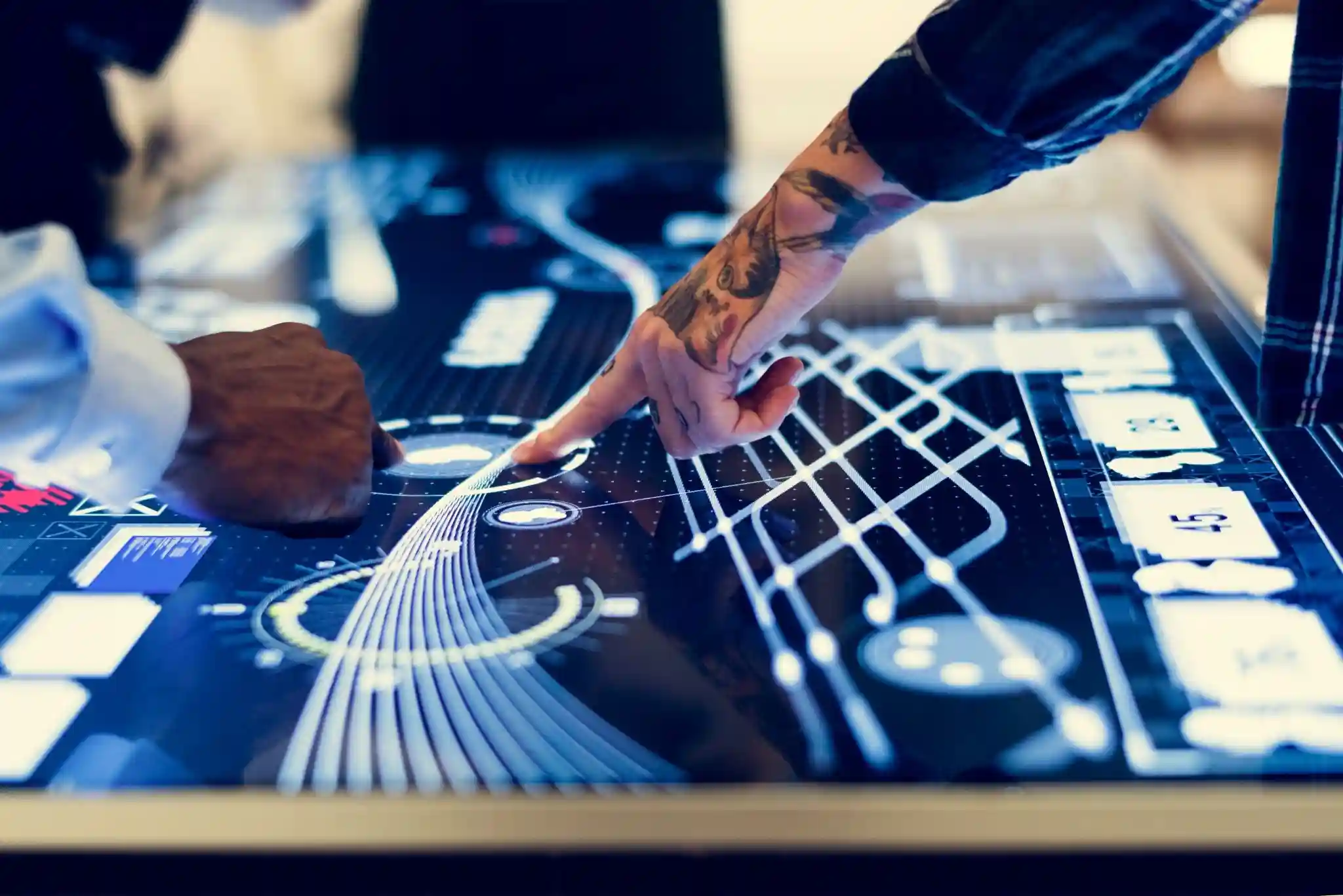
The event industry has changed more in the last decade than in the previous fifty years combined. What used to be purely logistical coordination has now become a mix of technology, psychology, design, and data-driven strategy. Today, event planning trends are not just about organizing gatherings. They are about creating experiences that feel personal, immersive, and globally connected. Audiences expect more than attendance. They expect meaning, interaction, and seamless digital integration. This shift is forcing planners to rethink everything from design to execution.
The Changing Landscape of Modern Event Planning
Event planning is no longer just about managing schedules and venues. It is about designing experiences that people remember. Attendees now expect personalization at every level, from invitations to post-event engagement. A standard format no longer feels enough. People want interaction, storytelling, and emotional connection. This is one of the strongest event planning trends shaping the industry today. Events are becoming less about passive observation and more about active participation. At the same time, expectations are rising faster than ever. What feels innovative today can feel outdated within a short time. This pressure is pushing planners to constantly evolve and experiment with new formats and technologies.
Technology as the Core Driver of Event Transformation
Technology is now at the center of event planning, not just a supporting tool. It shapes how events are designed, delivered, and experienced.
AI-Powered Event Planning and Personalization
Artificial intelligence is changing how planners understand audiences. AI tools can analyze attendee behavior, suggest personalized schedules, and even predict attendance patterns. This creates more relevant and engaging experiences. Instead of offering the same agenda to everyone, events can now adapt to individual interests, making each experience feel unique and intentional.
Virtual Reality and Hybrid Event Experiences
Virtual reality is introducing immersive participation without physical presence. Attendees can explore venues or exhibitions digitally, creating a sense of presence from anywhere in the world. Hybrid events, which combine physical and virtual attendance, have become one of the most important event planning trends. They expand reach, increase inclusivity, and allow global participation without travel barriers. However, they also require careful balance so that both audiences feel equally valued.
Event Apps and Real-Time Engagement Tools
Mobile apps have become essential for modern events. They provide schedules, networking tools, live updates, and interactive features like polling and Q&A sessions. These tools keep attendees engaged throughout the event and allow organizers to collect real-time feedback. This immediate data helps improve the experience even during the event itself, which was not possible in traditional formats.
The Rise of Hybrid and Digital-First Event Models
Hybrid events are no longer a temporary solution. They are now a standard part of the industry. They allow physical events to extend into the digital space, reaching audiences who cannot attend in person. This significantly increases global reach and engagement. One of the key advantages is accessibility. A single event can now include thousands of virtual participants alongside physical attendees. However, designing for both audiences is challenging. Each group has different expectations and attention patterns. Digital-first thinking is also influencing how events are planned from the beginning. Many planners now design virtual experiences first and then adapt them into physical formats, reflecting a major shift in event planning trends.
Sustainability and Eco-Conscious Event Planning Trends
Sustainability has become a core requirement rather than an optional feature. Events generate significant environmental impact through travel, waste, and materials. Modern planning focuses on reducing this footprint. Digital tickets, QR codes, and mobile schedules are replacing printed materials, reducing waste while improving convenience. Venues are also being evaluated based on sustainability standards such as energy efficiency and waste management systems. Green certifications are becoming increasingly important for corporate and large-scale events. Even small design decisions, such as reducing single-use materials, contribute to broader sustainability goals. These changes are now central to modern event planning trends.
How Data and Analytics Are Reshaping Event Strategy
Data has become one of the most powerful tools in event planning. Organizers can now track attendance behavior, engagement levels, and session popularity in real time. This allows faster and more accurate decision-making. Data also helps measure ROI more effectively, replacing guesswork with clear performance metrics. Predictive analytics is another growing area. It allows planners to estimate attendance, allocate resources, and optimize schedules before the event even begins. Personalization also depends heavily on data. By understanding attendee behavior, organizers can create more relevant and engaging experiences that improve satisfaction and participation.
The Role of Social Media in Modern Event Planning Trends
Social media is now deeply integrated into event success. Influencer marketing plays a major role in promoting events, as a single post from a relevant creator can significantly increase visibility and attendance. Live streaming has also expanded event reach, allowing global audiences to participate in real time. This has become one of the strongest event planning trends, especially for conferences and product launches. User-generated content adds another layer of visibility. Attendees sharing their own experiences on social platforms creates organic promotion that extends the event’s impact far beyond its physical duration.
Experiential Design and Immersive Event Experiences
Modern events are no longer just informational. They are experiential. Planners now focus on how attendees feel rather than just what they see. Immersive environments use lighting, sound, visuals, and spatial design to create emotional engagement. Storytelling plays a major role in shaping these experiences. Instead of isolated activities, events are designed as complete journeys. Interactive installations and themed environments encourage participation rather than passive observation. This shift reflects a broader change in event planning trends, where emotional impact is as important as logistical success.
Challenges Facing the Future of Event Planning
Despite rapid innovation, the industry faces several challenges. Advanced technologies like AI, VR, and analytics can be expensive, limiting access for smaller organizers. Data privacy is another major concern, especially as events collect more personal information from attendees. Hybrid events also increase complexity, requiring planners to manage both physical and digital audiences simultaneously. There is also pressure to continuously innovate. Audiences quickly lose interest in repetitive formats, forcing planners to constantly introduce new ideas while maintaining quality and consistency.
The Future Skill Set for Event Planners
The role of event planners is expanding beyond traditional coordination. Digital literacy has become essential, as planners must understand tools, platforms, and automation systems. Creativity remains important, but it must now work alongside technology. Problem-solving skills are also critical, especially in live environments where unexpected issues can arise. Strategic thinking is becoming increasingly valuable. Planners must design experiences that align with business goals, audience expectations, and emotional engagement. The combination of creativity and strategy defines success in modern event planning.
Conclusion
The future of events is being shaped by rapid innovation, audience expectations, and technological advancement. Event planning trends clearly show a shift toward hybrid formats, immersive experiences, sustainability, and data-driven decision-making. Technology is making events smarter, while creativity is making them more engaging. However, despite all these advancements, the core purpose of events remains unchanged: human connection. The most successful events of the future will not just rely on technology. They will use it to enhance real human experiences, not replace them.