

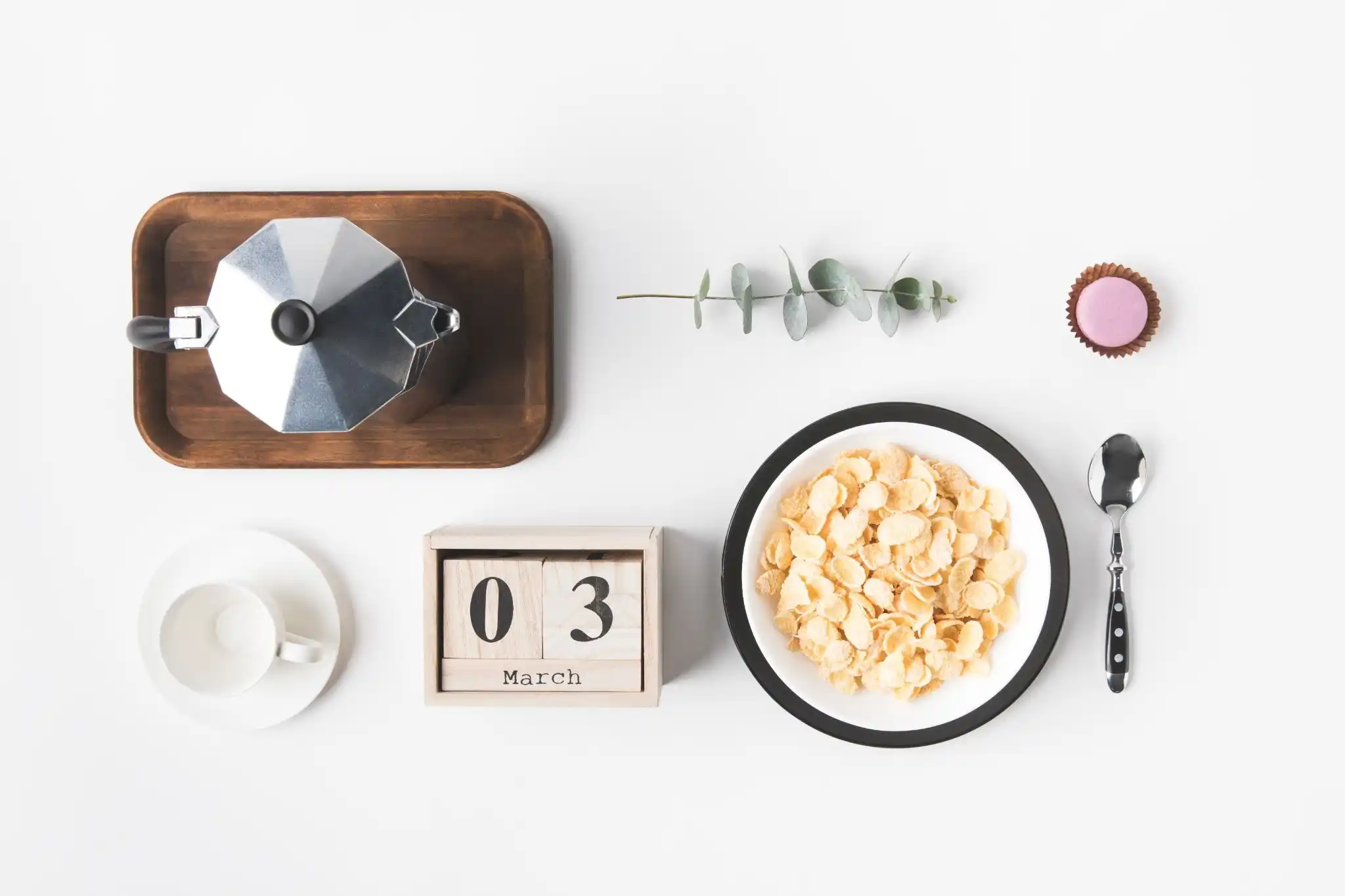
Minimalism is no longer just a design trend. It has become a practical response to busy schedules, constant noise, and overwhelming choices. Many people feel weighed down by clutter, overconsumption, and endless commitments. As a result, they are searching for simpler ways to live.
Minimalist lifestyle ideas focus on reducing excess so life feels lighter and more intentional. When clutter fills physical spaces, it often affects mental focus too. Too many possessions, decisions, and distractions can increase stress and reduce clarity.
Simple living is closely tied to intentional life. It encourages people to focus on what truly matters instead of what simply takes up space. In this guide, you will learn how minimalism works, why it matters today, and how small, practical changes can simplify daily living in meaningful ways.
What Is a Minimalist Lifestyle?
A minimalist lifestyle is about living with intention rather than accumulation. It does not mean owning nothing or living without comfort. Instead, it means keeping what adds value and letting go of what does not.
One common misconception is that minimalism is extreme or restrictive. In reality, it is flexible and personal. Minimalism looks different for everyone. Some focus on decluttering their homes, while others simplify schedules, spending, or digital habits.
At its core, minimalism supports an intentional life. Each choice is made with purpose. Time, energy, and attention are treated as valuable resources, not things to waste on excess.
Why Minimalist Lifestyle Ideas Matter Today
Modern life encourages constant consumption. More products, more commitments, and more information compete for attention. This excess often leads to mental fatigue and emotional stress.
Minimalist lifestyle ideas help reduce this pressure. Simple living creates space to breathe, think, and focus. When fewer distractions exist, clarity improves. Decisions feel easier. Daily routines become calmer.
Intentional living also offers long-term benefits. People who simplify often experience better focus, improved well-being, and stronger alignment with personal values. Minimalism is not about having less for the sake of it. It is about creating room for what matters most.
The Principles Behind Simple Living
Simple living starts with choosing quality over quantity. Fewer items that serve a purpose often bring more satisfaction than many items with little value.
Value matters more than accumulation. Instead of collecting things out of habit or pressure, minimalism encourages thoughtful choices. Every item, habit, or commitment should earn its place.
Daily habits also play a role. When routines align with priorities, life feels more balanced. Simple living helps people spend time and energy on meaningful activities rather than constant upkeep and distraction.
Practical Minimalist Lifestyle Ideas for Everyday Life
Decluttering Tips That Actually Work
Decluttering works best when it is intentional. Start by identifying items that no longer serve a purpose or bring value. If something has not been used or appreciated in a long time, it may be time to let it go.
Decluttering by category can be more effective than by room. Gathering similar items together reveals duplicates and excess more clearly. This approach reduces emotional attachment tied to specific spaces.
Creating systems helps prevent clutter from returning. Assigning a clear place for items and maintaining simple organization makes it easier to stay consistent over time.
Simplifying Daily Routines
Daily routines often become complicated without notice. Streamlining morning and evening habits reduces stress and decision fatigue. Fewer choices create smoother transitions throughout the day.
Repeating simple routines builds stability. When daily tasks feel automatic, mental energy is freed for more important decisions. Calm routines support focus, rest, and emotional balance.
Minimalist routines are not rigid. They are designed to support clarity, not control. Flexibility remains important.
Intentional Spending and Consumption
Intentional spending means buying with purpose rather than impulse. Before purchasing, it helps to ask whether the item truly adds value.
Avoiding unnecessary purchases reduces clutter and financial stress. Simple living encourages mindful consumption instead of constant upgrading.
Supporting thoughtful buying habits also aligns with long-term goals. Fewer, better choices often lead to greater satisfaction and less regret.
Minimalist Lifestyle Ideas for Home and Workspace
A minimalist home feels calm and functional. Clear surfaces, purposeful furniture, and open space reduce visual noise. Each item serves a role instead of filling space.
Workspaces benefit greatly from minimalism. Clutter-free desks improve focus and productivity. When distractions are removed, attention stays on the task at hand.
Smart organization supports long-term simplicity. Storage systems that are easy to maintain prevent clutter from rebuilding and keep spaces usable and peaceful.
How Decluttering Supports Mental Well-Being
Clutter affects more than physical space. It often contributes to stress, overwhelm, and anxiety. Too many items can make it harder to relax or concentrate.
Letting go has emotional benefits. Releasing unused possessions often creates a sense of relief and control. It reminds people that they are not defined by what they own.
Physical simplicity supports mental clarity. When surroundings feel lighter, thoughts often follow. Decluttering creates space for calm, creativity, and presence.
Common Challenges When Adopting Minimalist Living
Emotional attachment is one of the biggest challenges. Objects often hold memories or represent effort and identity. Letting go can feel uncomfortable at first.
Fear of missing out also plays a role. Some worry that minimalism means losing options or comfort. In reality, it often creates more freedom.
Social pressure can make minimalism difficult. Consumer culture encourages more, not less. Staying intentional requires confidence and personal boundaries.
How to Start Living a More Intentional Life
Intentional living begins with identifying what truly matters. Values, goals, and priorities guide minimalist choices.
Changes work best when gradual. Small steps feel manageable and sustainable. Removing one habit, item, or commitment at a time builds momentum.
Progress is not measured by how little someone owns. It is measured by clarity, balance, and satisfaction. Intentional life choices focus on quality, not comparison.
Minimalist Lifestyle Ideas for Families and Busy Lives
Minimalism works for families too. Shared spaces benefit from clear systems and defined storage. Simple rules help everyone stay involved.
Busy schedules also need simplifying. Reducing commitments and creating space for rest improves family balance. Fewer activities often mean deeper connections.
Teaching intentional living habits helps children develop healthy relationships with possessions and time. Minimalism becomes a shared value, not a restriction.
FAQs
1. What are minimalist lifestyle ideas in simple terms?
Minimalist lifestyle ideas focus on reducing excess, decluttering possessions, simplifying routines, and living intentionally so time, energy, and attention are spent on what truly matters.
2. Does minimalism mean getting rid of everything you own?
No, minimalism is not about owning nothing. It is about keeping items that add value and letting go of things that create clutter or unnecessary stress.
3. How does decluttering support mental health?
Decluttering reduces visual and mental overload, lowers stress, improves focus, and creates a calmer environment that supports emotional well-being and clarity.
4. Can minimalism work for families and busy people?
Yes, minimalism can be adapted for families and busy lives by simplifying schedules, organizing shared spaces, and focusing on intentional habits instead of perfection.
5. How do I start living a more intentional life?
Start by identifying priorities, making small changes, reducing unnecessary commitments, and choosing habits and possessions that align with your values and long-term goals.