

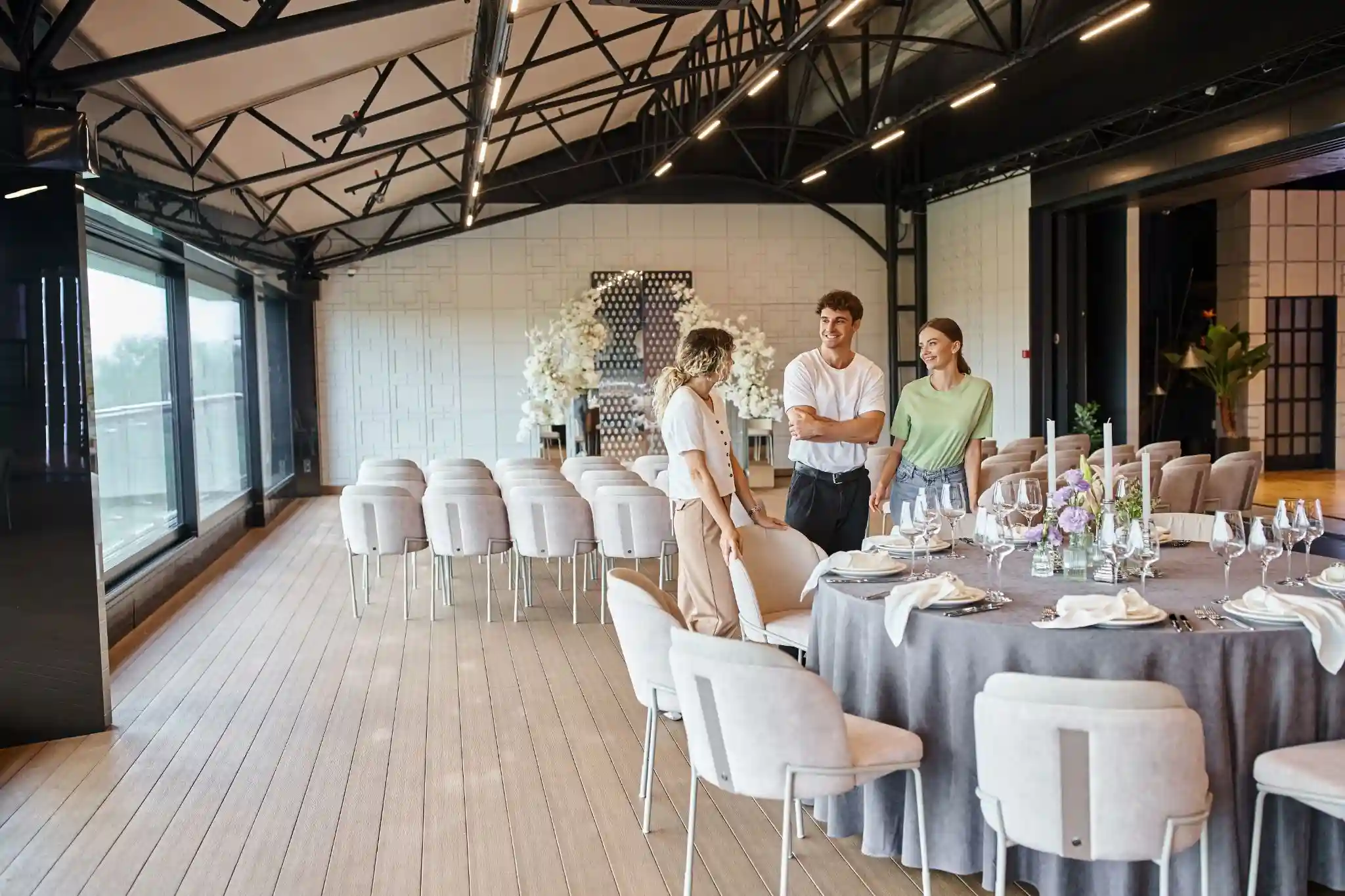
Choosing the right venue is one of the most important decisions in event planning. The venue sets the tone, shapes the experience, and influences how smoothly everything runs. Even the best ideas can fall flat if the location does not support them.
Poor venue choices often create problems that guests immediately notice. These include overcrowding, difficult access, poor sound, or confusing layouts. On the planning side, bad venue decisions can complicate event logistics, increase costs, and add unnecessary stress.
Strong event venue selection supports smooth location planning and better coordination. When the venue fits the event’s purpose, planning becomes easier and more predictable.
In this guide, you will learn what event venue selection really means, why it matters, and how to approach it with confidence. From guest comfort to logistics and budget considerations, this article will help you choose a location that supports your event instead of working against it.
What Is Event Venue Selection?
Event venue selection is the process of choosing a location that meets the practical, emotional, and logistical needs of an event. It involves more than finding a space that looks good in photos.
A good venue supports the event’s goals. It accommodates guests comfortably, allows activities to flow smoothly, and fits within budget and timeline limits. Size and appearance matter, but they are only part of the decision.
Venue choice affects every stage of planning. It influences scheduling, vendor coordination, technical setup, and guest communication. A well-chosen venue simplifies decisions, while a poor one creates constant adjustments.
Why the Right Venue Matters for Event Success
The venue plays a direct role in how guests feel about an event. Comfort, accessibility, and atmosphere all shape their experience. When guests feel relaxed and engaged, the event feels successful.
Venues also affect event logistics. Layout, load-in access, power availability, and setup rules influence how easily teams can work. A venue that supports logistics reduces delays and last-minute fixes.
Key Factors to Consider Before Choosing an Event Venue
Understanding the Event Type and Purpose
Every event has a purpose. Some aim to educate, others to celebrate or connect people. The venue should reflect that goal clearly.
A corporate conference needs a professional setting with technical support. A wedding needs warmth and atmosphere. Matching venue style to event purpose helps guests understand what to expect before they arrive.
Audience expectations matter as well. A venue that feels right to the host may feel wrong to the guests if it does not match their needs or comfort level.
Guest Capacity and Comfort
Estimating attendance accurately is essential. A space that is too small feels crowded and uncomfortable. A space that is too large can feel empty and disconnected.
Comfort goes beyond seating. Temperature control, restrooms, acoustics, and visibility all affect how guests experience the event. These details often matter more than décor.
A balanced space supports energy without creating stress or fatigue.
Location Planning and Accessibility
Location planning focuses on how easily guests can reach the venue. Convenience increases attendance and reduces frustration.
Consider travel time, parking availability, and public transportation options. Accessibility features are also important. Guests should be able to move comfortably through the space regardless of mobility needs.
A beautiful venue loses its appeal if guests struggle to get there or move around once they arrive.
Creating a Practical Venue Checklist
A venue checklist helps turn a complex decision into a clear process. It ensures that no important detail is overlooked during visits or comparisons.
A good venue checklist includes capacity, accessibility, layout options, technical support, costs, and restrictions. It also covers setup times, staffing support, and emergency procedures.
Using the same checklist for every venue makes comparisons fair and objective. It helps planners focus on function instead of being swayed by first impressions alone.
Event Logistics and Venue Requirements
Event logistics depend heavily on the venue. Layout flexibility determines how easily the space can be adapted to the event format. Some venues allow multiple configurations, while others are fixed.
Technical requirements are another major factor. Audio-visual support, lighting, and power access must align with the event’s needs. Relying on external suppliers may increase complexity and cost.
Setup and breakdown rules affect scheduling. Limited access times or strict noise restrictions can complicate planning. Storage availability also matters for materials and equipment.
A venue that supports logistics makes the entire event easier to manage.
Budget, Contracts, and Hidden Venue Costs
Venue pricing is not always straightforward. Base rental fees often exclude essential services. Cleaning fees, security, overtime charges, and equipment rentals can increase costs quickly.
Understanding pricing structures early helps prevent budget surprises. Ask detailed questions and request full cost breakdowns.
Contracts deserve careful review. Cancellation policies, liability clauses, and usage restrictions should be clear. Unclear contracts can create disputes and unexpected expenses.
Transparent communication protects both planners and venue owners.
How Location Planning Affects Attendance and Experience
Location plays a major role in whether people attend an event. Venues that are easy to reach encourage higher turnout. Difficult locations may discourage attendance, even for interested guests.
The surrounding area matters as well. Nearby hotels, restaurants, and services add convenience. Safety and neighborhood perception also influence comfort.
Destination venues can be appealing, but they require extra planning. Travel costs and time commitments should align with guest expectations. Local venues often offer simplicity and higher participation.
Common Event Venue Selection Mistakes to Avoid
One common mistake is choosing style over function. A visually impressive venue may lack the infrastructure needed to support the event.
Ignoring logistics during site visits is another issue. It is easy to focus on décor and forget practical details like load-in access or power availability.
Underestimating travel challenges can also hurt attendance. What seems like a short distance on a map may feel inconvenient in reality.
Avoiding these mistakes leads to smoother planning and better experiences.
Adapting Event Venue Selection for Different Event Types
Different events require different venue priorities. Corporate events focus on professionalism, technology, and efficiency. Clear layouts and strong logistics matter most.
Weddings and private celebrations emphasize atmosphere, flow, and emotional connection. Flexibility and personalization are key.
Small gatherings benefit from intimate spaces that encourage interaction. Large-scale events need structured layouts and strong crowd management.
Adapting event venue selection to the event type ensures relevance and effectiveness.
FAQs
What is the first step in event venue selection?
The first step is understanding the event’s purpose and audience. This clarity guides location planning, capacity needs, and logistical requirements before visiting or comparing venues.
Why is a venue checklist important?
A venue checklist ensures all critical factors are reviewed consistently. It helps compare venues fairly and prevents important details from being missed during decision-making.
How does venue location affect attendance?
Convenient locations with good transport access increase attendance. Difficult travel, limited parking, or unsafe surroundings can discourage guests from attending.
What hidden venue costs should planners watch for?
Common hidden costs include cleaning fees, overtime charges, security, equipment rentals, and service staff requirements not included in the base price.
Can one venue work for different event types?
Some venues are flexible, but most work best for specific formats. Adapting venue choice to event type improves comfort, flow, and overall success.